
The running joke of country road driving in Britain is best exemplified by the scene in The Holiday film where Cameron Diaz’s character barely misses scraping the side of her Mini Cooper into that of an oncoming lorry while visiting rural Surrey. What makes it funnier (and more terrifying) is that it’s not too far from the truth!
Scenic country road driving can mean narrow lanes with dual traffic. If that wasn’t daunting enough, most of these roads have a speed limit of 60mph. Remember, this is a limit and not a target, and a limit in optimal conditions, no less. If you are unfamiliar with a road, only drive as fast as you feel comfortable. Adjust for light, inclement weather, road conditions, blind corners, and other obstacles.
Country Road Driving at Night
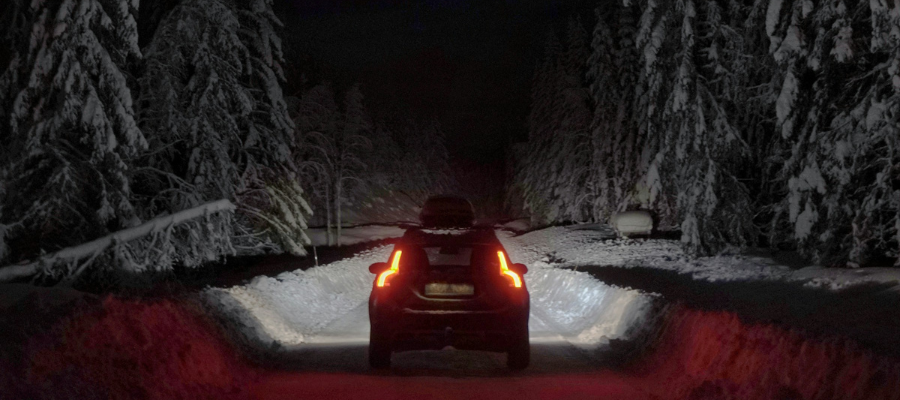
Driving at night doesn’t just seem darker in the countryside, it actually is darker. Light pollution in cities from apartments, businesses, and streetlights means greater street visibility. It’s the reason why you can’t see the stars in a city but can in the countryside.
Without light pollution, the night skies are much darker. This is why you need to practice switching between low beams, high beams, and if the conditions call for them, even fog lights. If you’re a permanent city-dweller, you probably haven’t had much cause for using them. When you’re alone on the road, feel free to use your high beams for maximum visibility. If you see another car approaching, switch to your low beams so as not to “dazzle” the other driver and impair their vision. As the name suggests, fog lights are best used when it’s foggy.
Want to explore the best night skies the UK has to offer? Check out our article on the best sites for stargazing.
You can also check out our tips for driving in the dark, here.
Unfamiliar Terrain
Other unfamiliar sights for city-drivers include unmarked junctions, single-lane bridges, and cattle gates. Navigating unmarked junctions requires a combination of common courtesy and paying attention to the other driver’s body language. Usually, it’s the first person at the junction who drives first. Impatient or discourteous drivers, however, may not follow this rule of thumb. Pay attention to whether they’re slowing down, their use (or lack thereof) of indicators, and the driver’s body language.
With single-lane bridges, there is only one lane for both traffic directions. As with an unmarked junction, the first one there is the first to pass. Note that there will sometimes be signs indicating which driver has the right of way, in which case follow as directed. Some parts of the road will be too narrow, even by country drivers’ standards. Such areas have signs that note “passing places”. These areas alert drivers to a portion of widened road that allows one vehicle to pull over while the other continues driving.
Finally, cattle grates are steel bars laid on the road to allow vehicles to travel over them but prevent cattle or other livestock from escaping the farmland. Drive over them slowly and keep an eye out for cows.
Countryside Road Conditions
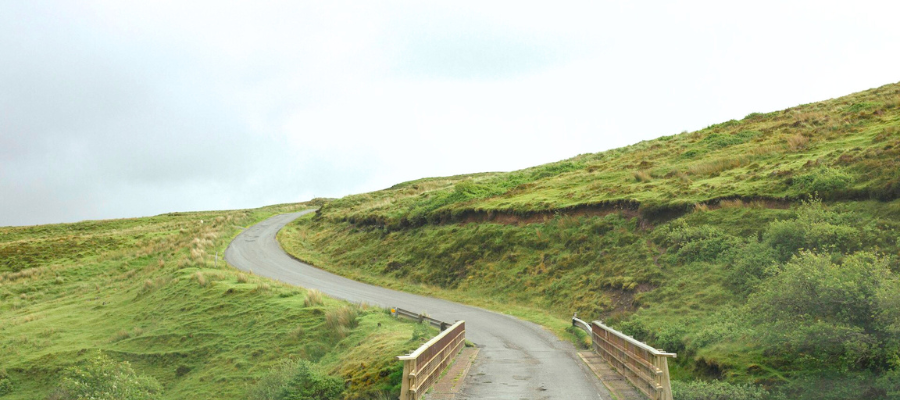
Country roads aren’t just perilous for their twists and turns, but for the condition of the roads themselves. Because they aren’t used as frequently as city streets, they are a lower priority when it comes to filling potholes and fixing dips. They are particularly tricky to navigate in inclement weather. Again, due to their less trafficked nature, gritted roads in snow storms is not a guarantee.
When it rains, deep puddles can lead to aquaplaning. High winds can mean felled trees that block road access. In all of these situations, rerouting may be necessary. With patchy reception, finding an alternate route in situ can be difficult. Two solutions include a GPS or an app with downloadable maps. GPS relies on satellites rather than mobile reception and the downloaded app allows you to reroute regardless of reception.
Ever wondered what causes potholes? Find out in our blog!
Following these tips will help you avoid collisions with wildlife while travelling.
Animals on the Road
Animals are unpredictable at the best of times, and the potential for encountering them while driving unfamiliar country roads is less than ideal. Common wildlife you may encounter includes rabbits, hedgehogs, pheasants, and potentially even deer. If you come across any of these animals, slow down, switch to low beams to avoid stunning them, don’t rev your engine, and give them a wide berth when passing. The peak months for deer collisions are in May, October, and November, so be particularly careful in those months.
These same rules apply to people walking country lanes with their domesticated pets like horses or dogs. When encountering a horse rider, give them plenty of room when overtaking them and proceed below 10mph. Honking, engine revving, or accelerating could spook them. You wouldn’t want the horse to buck their rider or canter off. Riders tend to be aware of their surroundings and will indicate with hand gestures, either showing that they’re turning or that it’s safe to overtake them. Areas that are frequently used by riders are often denoted with the correlating sign. Be sure to brush up on your signage, particularly countryside signage, here.
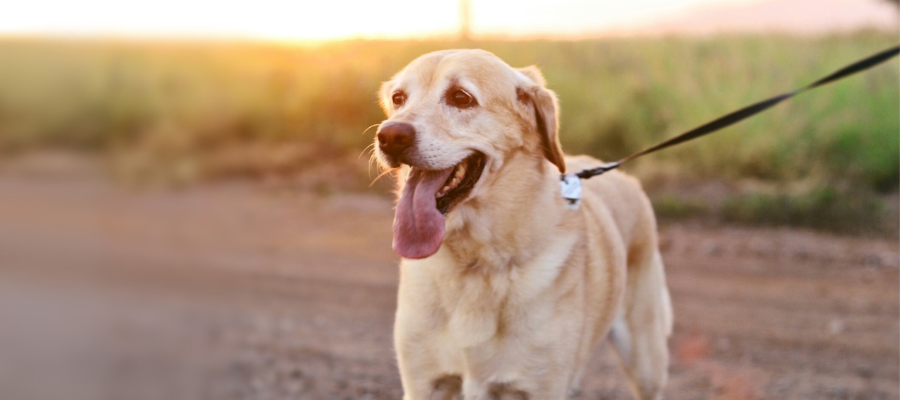
Some rural areas mean that the only place for dog walkers to take their companions is the rural roads. They will often follow the pedestrian rule to walk on the same side as oncoming traffic. Even so, be on the lookout on both sides of the road. Be aware that dogs can act erratically, so prepare to make emergency brakes.
Travelling with your pet? Check out our advice for keeping them safe in the car.
Need to brush up on the Highway Code? We’ve got some handy reminders here!
Sharing the Road
According to the 2022 Highway Codes, pedestrians have the right of way. The driver, possessing the greater potential to cause harm, bears the greater responsibility to yield to pedestrians. Be on the lookout for walkers and joggers that will often move against oncoming traffic. Cyclists will ride on the same side as traffic, so overtaking them with a wide berth. Twists, bends, and blind corners mean limited visibility. When overtaking, ensure that the other side of the road is clear and that you have enough time to accelerate. Do not overtake on hills because as well as limited visibility of oncoming traffic, gravity means you will accelerate slower than on flat roads.
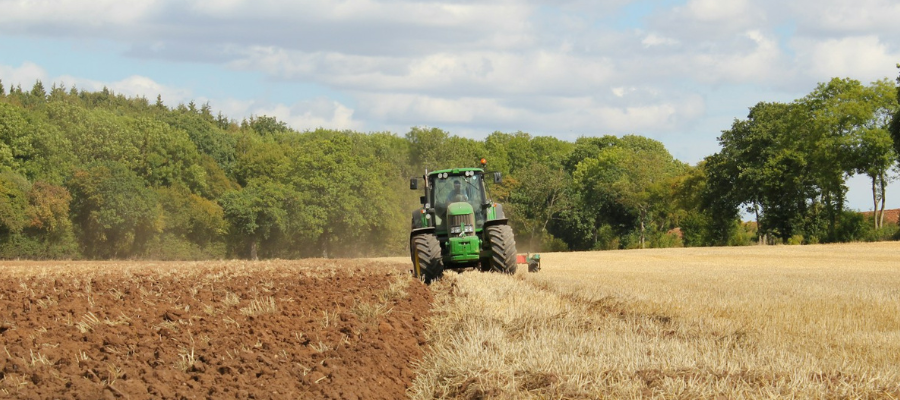
Tractors are another slow-moving frequenter of country lanes. Though overtaking them can seem like your only option, stop to consider a few things. First, can you get a good sense of how long the vehicle is? Particularly during harvesting season, attachments can make the tractor much longer than you originally anticipated. Second, do you have a clear view of oncoming traffic? Does it allow sufficient time to safely navigate around the tractor? If you don’t feel comfortable, remember that farm vehicles will usually pull over and allow traffic behind them to proceed when safe. Furthermore, they don’t normally travel far distances. The odds are that they will turn onto farmland sooner rather than later.
Make sure you’re not speeding to overtake either – the consequences of speeding can be servere!
Feeling spooked on a dark country road? Maybe it’s haunted… Check out the most haunted roads in the UK!
Country Roads, Take Me Home
Driving in the countryside versus the city requires a very different set of driving skills. Narrow, twisty roads are only made more challenging with obstacles like animals, tractors, and pedestrians. Driving at a speed you’re comfortable with regardless of the speed limit, using appropriate lighting, and considering road conditions are a few ways to ensure you get to your rural retreat safely. Planning ahead by downloading an offline map to your phone and familiarising yourself with countryside road signage will give you greater confidence in your driving abilities.
While country roads can be difficult for the uninitiated, following these tips and best practices will mean you can enjoy the beautiful scenery and slower pace of life that the country provides.
Need a car for your trip? We offer a great range of family and budget friendly, reliable hire cars. Check them out.